
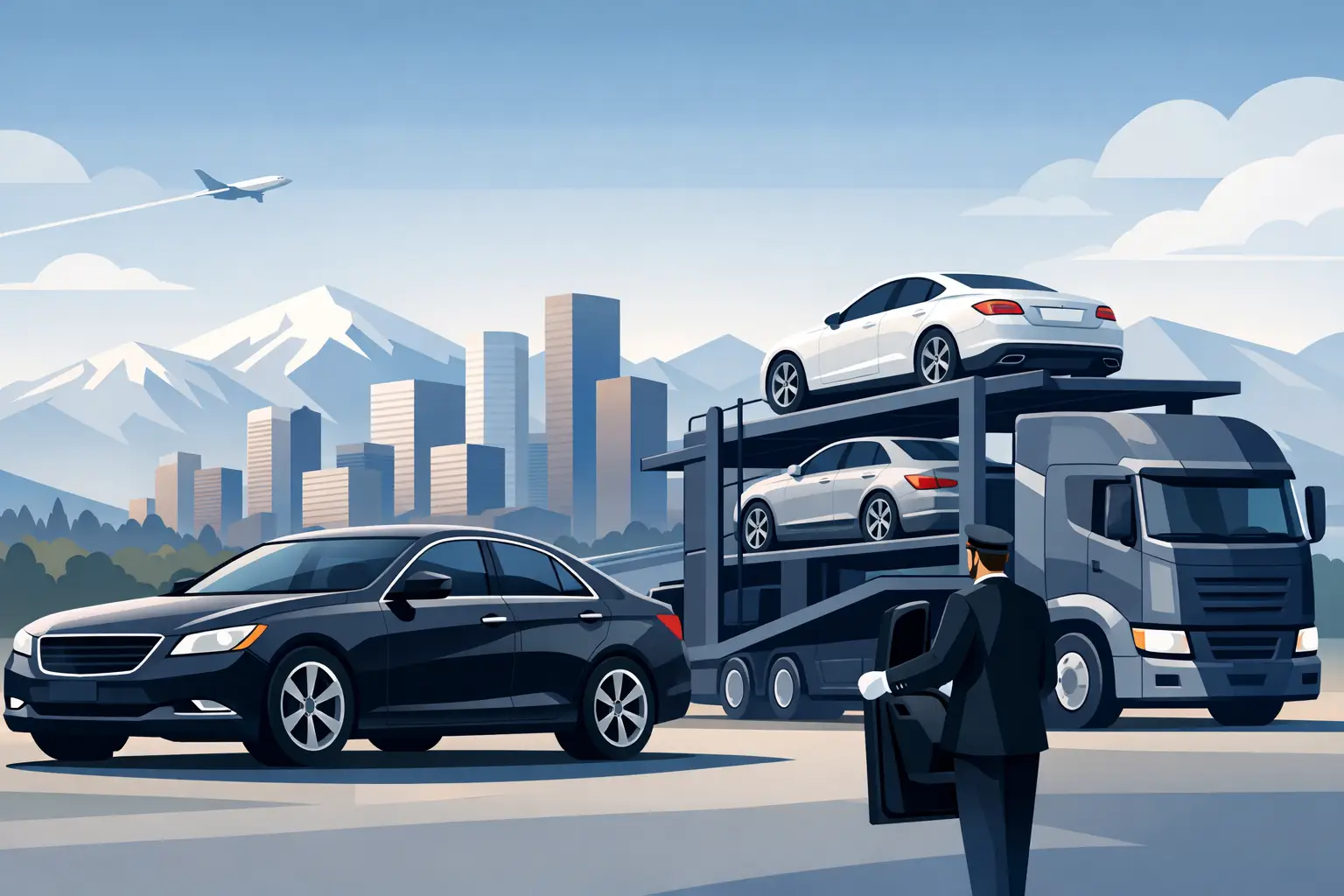
A luxury vehicle can turn a minor roadside problem into a major concern fast. A low battery, flat tire, accident, or mechanical warning may leave you needing luxury car transport Denver drivers can trust without risking expensive bodywork, low-clearance components, wheels, or drivetrain damage. The right tow is not simply about getting the vehicle from one place to another. It is about using the right equipment, taking the right precautions, and keeping you informed from pickup through delivery.
For drivers in Littleton, Highlands Ranch, Centennial, Lone Tree, Parker, Englewood, Lakewood, and the Denver metro area, a flatbed is often the safest answer when a high-end vehicle cannot be driven. Careful loading matters whether you own a European sports sedan, a luxury SUV, an exotic car, a classic vehicle, or a newer EV with specific towing requirements.
When Luxury Car Transport in Denver Is the Right Call
Some vehicles should not be driven after a roadside issue, even if they appear capable of moving. Continuing to drive with a tire problem, overheating engine, brake concern, damaged suspension, or warning light can turn a repairable issue into a much larger bill. If the vehicle was involved in a collision, its alignment, steering, undercarriage, or wheel area may be damaged in ways that are not immediately obvious.
Flatbed transport is especially useful for low-clearance vehicles. Standard loading angles can be too steep for a front splitter, side skirt, air dam, lowered suspension, or long wheelbase. A careful operator can evaluate the vehicle’s position and use the appropriate loading approach to reduce the chance of scraping.
All-wheel-drive and four-wheel-drive luxury vehicles also need special attention. Towing a vehicle with some wheels on the ground can create drivetrain problems if it is not done according to the manufacturer’s requirements. The same is true for many electric vehicles, which can have special transport instructions, low battery limitations, and sensitive underbody battery packs. When there is any doubt, transporting the vehicle fully off the ground is the safer choice.
Denver-area weather adds another reason to avoid taking chances. A sudden snowstorm, icy side street, hard rain, or heavy traffic can make a short drive home feel much longer. If the car is not operating normally, a professional tow lets you avoid adding road conditions to an already stressful situation.
What Careful High-End Vehicle Handling Looks Like
Luxury car transport should begin before the vehicle moves. A professional operator checks the vehicle’s condition, location, clearance, and whether it can roll and steer. That assessment helps determine how to load it safely, especially after an accident or mechanical failure.
A flatbed keeps all four wheels off the road during transport. This helps protect the tires, transmission, drivetrain, and suspension while avoiding unnecessary mileage. It is often the preferred option for vehicles with performance tires, specialty wheels, low-profile bodywork, or all-wheel-drive systems.
Securement is just as important as loading. The vehicle needs to be held in place properly so it remains stable during turns, stops, and Denver traffic. Care should be taken around painted surfaces, wheel finishes, and low body panels. A rushed or careless hookup can cause the kind of damage owners were trying to avoid in the first place.
Communication also matters. You should know where the vehicle is going, whether it is being taken to a dealership, repair shop, body shop, tire center, storage location, or home. If a shop is closed, ask about the safest delivery option before the truck arrives. A few minutes of planning can prevent your vehicle from being left somewhere inconvenient or inaccessible.
Flatbed Transport Versus Other Towing Options
Not every tow requires a flatbed, but many high-end vehicles benefit from one. The best choice depends on the vehicle’s drivetrain, ride height, damage, condition, and destination.
A wheel-lift tow may be appropriate for certain vehicles and short local moves when the vehicle is in good condition and can be towed safely under manufacturer guidance. But it is generally not the first choice for a low-slung sports car, an all-wheel-drive vehicle, a car with collision damage, or a vehicle with a locked wheel or damaged suspension.
A flatbed can take a little more time to position and load, particularly in a tight garage, busy street, or parking lot. That trade-off is often worthwhile when protecting a valuable vehicle is the priority. A careful transport plan is better than a fast hookup that creates a second problem.
If you are not sure what your vehicle needs, tell the dispatcher the make, model, year, drivetrain, and what happened. Mention if the vehicle is lowered, has a dead battery, is in park, has a flat tire, has been in an accident, or is blocked in a garage. Clear details help send the right equipment and avoid surprises at pickup.
How to Prepare Your Vehicle for Transport
You do not need towing experience to help make the process easier. If it is safe to do so, gather your personal items, locate your keys, and take a few photos of the vehicle before transport. Photos can be useful after an accident and can document the vehicle’s condition before it leaves your location.
Before the tow truck arrives, keep these practical steps in mind:
- Move yourself and passengers to a safe location away from traffic when possible.
- Let the dispatcher know the exact pickup location, including parking garage level, gate code, apartment complex, or nearby landmark.
- Tell the driver about aftermarket modifications, low clearance, special wheel locks, or any part of the vehicle that is damaged.
- Remove loose items from the cabin and trunk, especially valuables, garage remotes, documents, and electronics.
- Confirm the delivery address and provide the repair shop name or after-hours instructions if needed.
Do not try to force a damaged vehicle to move, shift it out of park, or drive it onto a curb to make access easier. If the car is stuck, disabled, or positioned awkwardly, explain the situation. A professional can assess the safest way to recover and load it.
Questions to Ask Before Scheduling Luxury Car Transport Denver Service
When you are stressed, it helps to focus on a few direct questions. Ask whether a flatbed is available, whether the operator can handle low-clearance or all-wheel-drive vehicles, and how soon help can arrive. You can also ask what information is needed for the drop-off location and whether the vehicle can be transported if it will not start or roll.
Price matters too, but the cheapest option is not always the best value for a high-end vehicle. A clear quote should account for the pickup location, destination, vehicle condition, access challenges, and any recovery work needed. For example, a vehicle in an open parking lot is different from one stuck in a steep driveway, underground garage, or snow-covered shoulder.
Local familiarity can make a real difference. South and west Denver metro roads include congested commuter routes, tight residential streets, mountain-weather conditions, and busy commercial areas. A local towing team that knows Littleton, Ken Caryl, Columbine, Greenwood Village, Lakewood, and nearby communities can respond with a practical plan instead of treating every call the same.
When an Emergency Happens After Hours
Breakdowns do not wait for business hours. A late-night battery failure outside a restaurant, a flat tire after work, or a mechanical problem on the way home can leave luxury vehicle owners feeling stranded. The priority is to get out of traffic, stay in a visible and safe area if possible, and arrange transport rather than risking further damage.
Ortiz Towing provides local flatbed and high-end vehicle transport for drivers who need careful help in the Denver metro area. When you call, provide the vehicle details and explain the situation clearly. That gives the team the best chance to arrive prepared and get your car where it needs to go.
Your vehicle represents a significant investment, but your safety comes first. If something feels wrong with the car or the road conditions make driving a risk, choose careful transport and let a qualified local towing team handle the next move.